THE NEW SCRAPER BRUSH MOTOR FOR MAX WIND
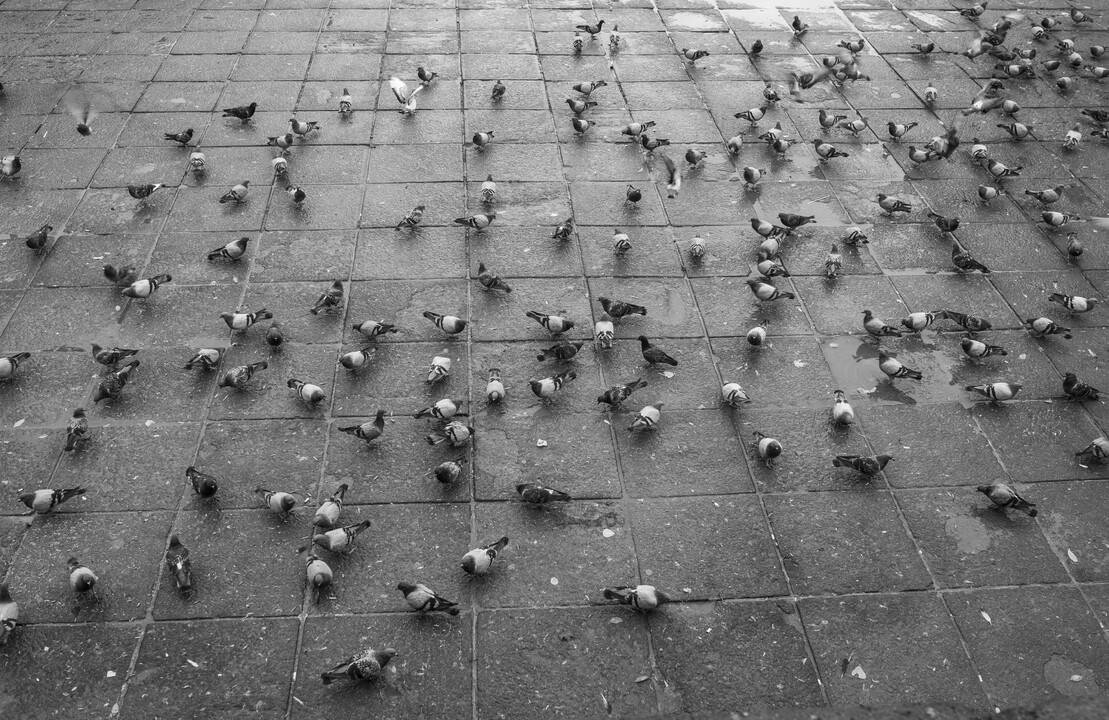
The droppings of pigeons covering the pavements of historic center alleyways is a widespread problem that causes significant inconvenience to both commercial activities and residents. In addition to being unsightly and causing an unpleasant odor that persists, the waste from these birds also carries pathogens, making it a risk factor for public health.
What are pigeon droppings?
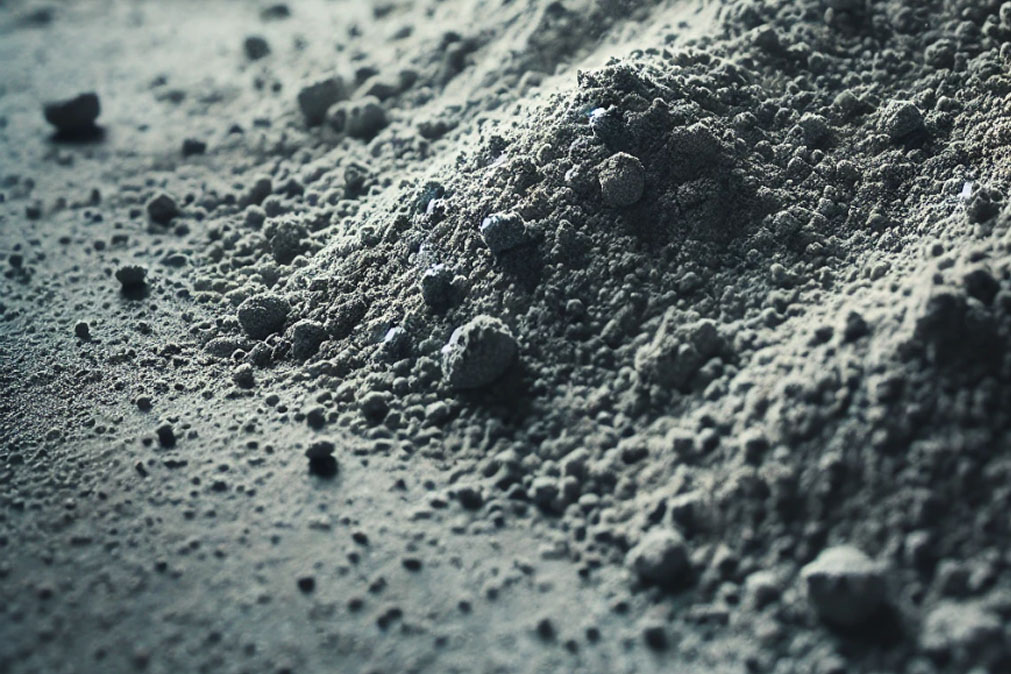
Guano, which appears as a whitish crust enclosing a compact brown/yellowish mass, is the product of the decomposition of bird excrement, which accumulates in areas where birds rest, such as gutters, eaves, windowsills, cornices, and terraces.
Although this natural substance, when properly processed, is also used as fertilizer for garden and vegetable cultivation, due to its chemical composition, with a prevalence of ammonia compounds, it is a product with a strong erosive action and a carrier of various diseases.
What pigeon droppings cause: the risks
The negative effects of pigeon droppings primarily affect:
- human health. Most diseases that affect birds and are transmissible to humans, including salmonellosis, tuberculosis, and encephalitis, are in fact transmitted through their droppings. For this reason, guano represents a significant public health problem.
- Buildings. Guano poses a threat to buildings both due to its corrosive power and its specific weight—consider that one cubic meter of guano can weigh up to 900 kilograms—putting the structural integrity of building roofs at risk.
The pigeon problem in cities and historic centers
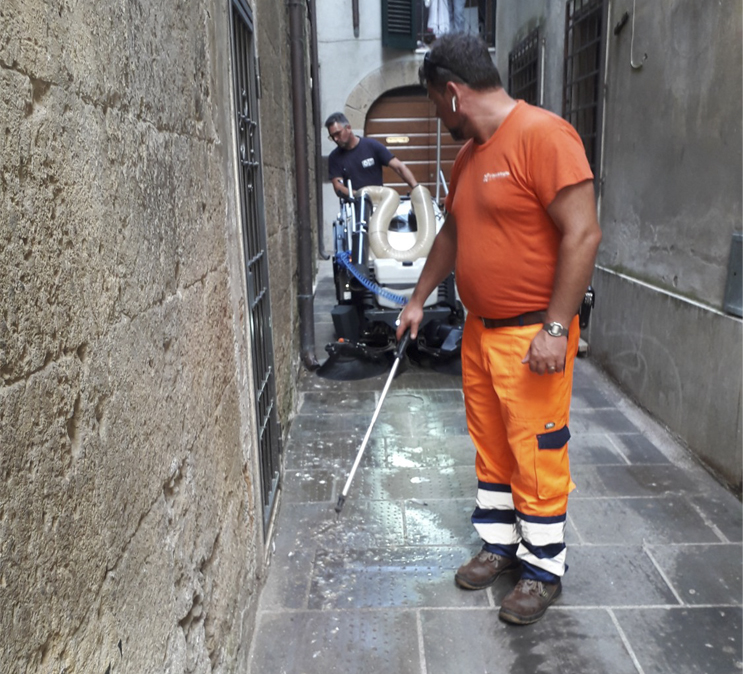
The proliferation of pigeons in city centers has become an increasingly significant threat over the years, particularly for the preservation of historic monuments and for reasons of urban hygiene.
Pigeons, which move in flocks that can exceed 500 individuals, are sedentary animals that have found the ideal habitat in urban contexts, thanks to the abundant presence of food, ideal climate, and reduced presence of predatory animals.
Municipal administrations have the onerous task of seeking remedies both to contain the population of these birds and to clean areas of their droppings, which as we have seen represent a threat to buildings and human health.
How municipalities intervene
The pigeon, classified as a “domestic animal,” cannot be subject to capture and extermination. To safeguard the historic heritage and the health of citizens, to contain their multiplication and reduce their presence in inhabited centers, municipalities today act on multiple fronts:
- Adopting deterrent systems to prevent roosting and nesting, such as ultrasonic, acoustic, and visual deterrents or mechanical barriers, wire and net systems.
- Issuing ordinances that prohibit feeding them.
- Administering contraceptive feed in various controlled areas.
- Adopting cleaning systems suitable for the removal and sanitization of areas soiled by droppings.
Pigeon droppings removal: what to know
The removal of guano, present on the exterior of a building and in the streets of historic centers, is a very delicate operation that requires caution. In fact, any dispersion of guano into the environment could lead to the spread of diseases.
Typically, after removal through mechanical systems, such as scraping and vacuuming, surface disinfection is carried out with appropriate chemical products.
The MP-HT solution for guano cleaning
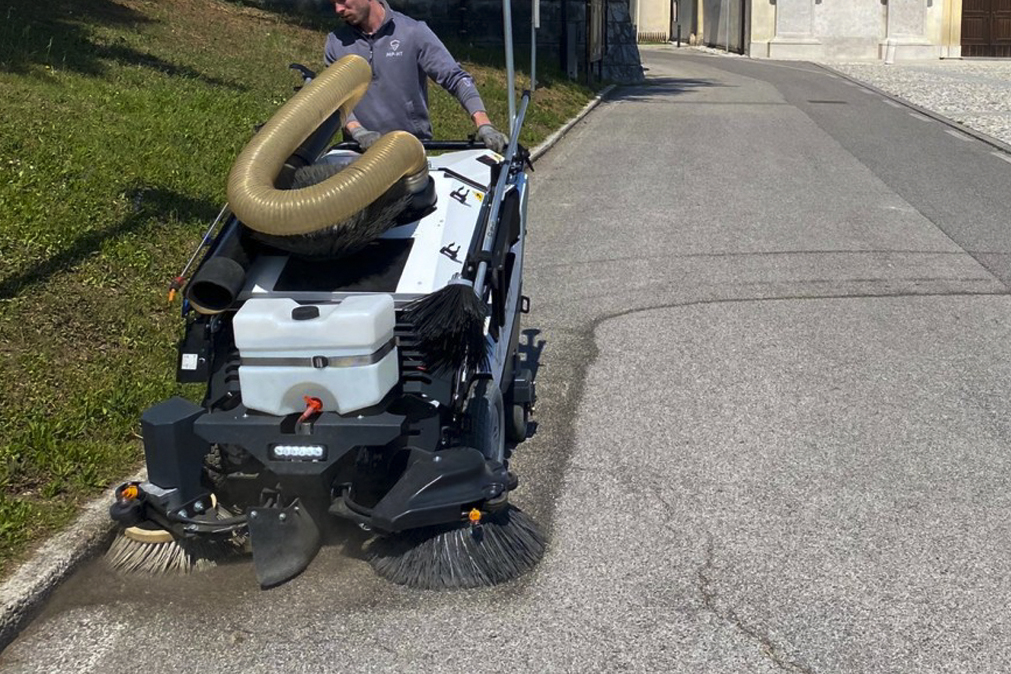
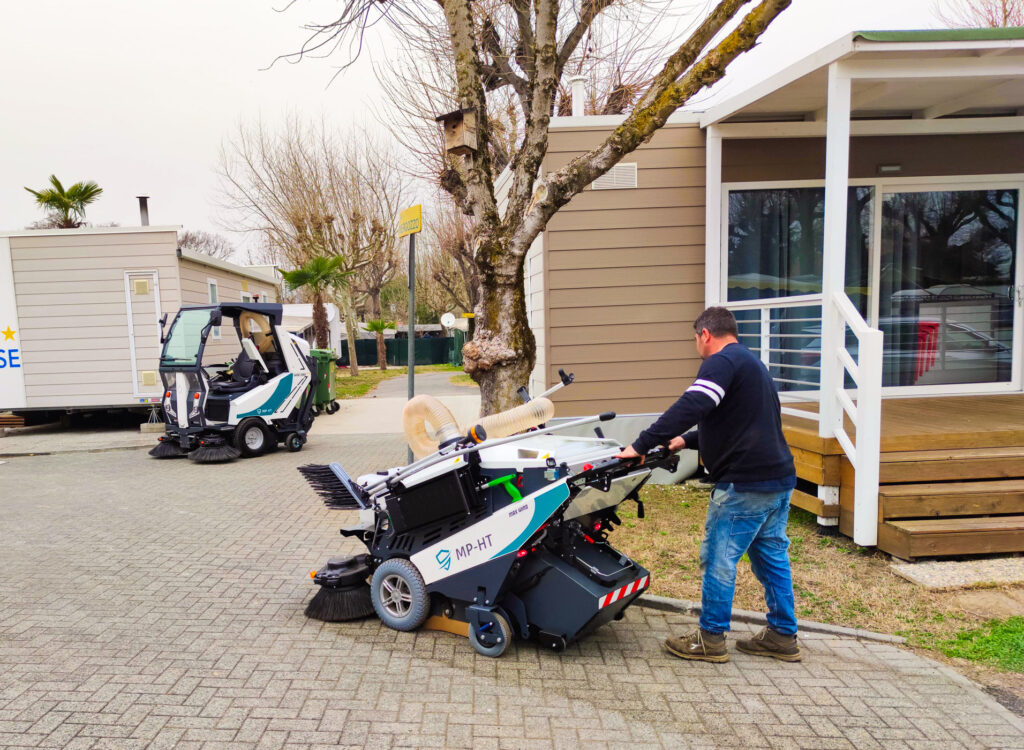
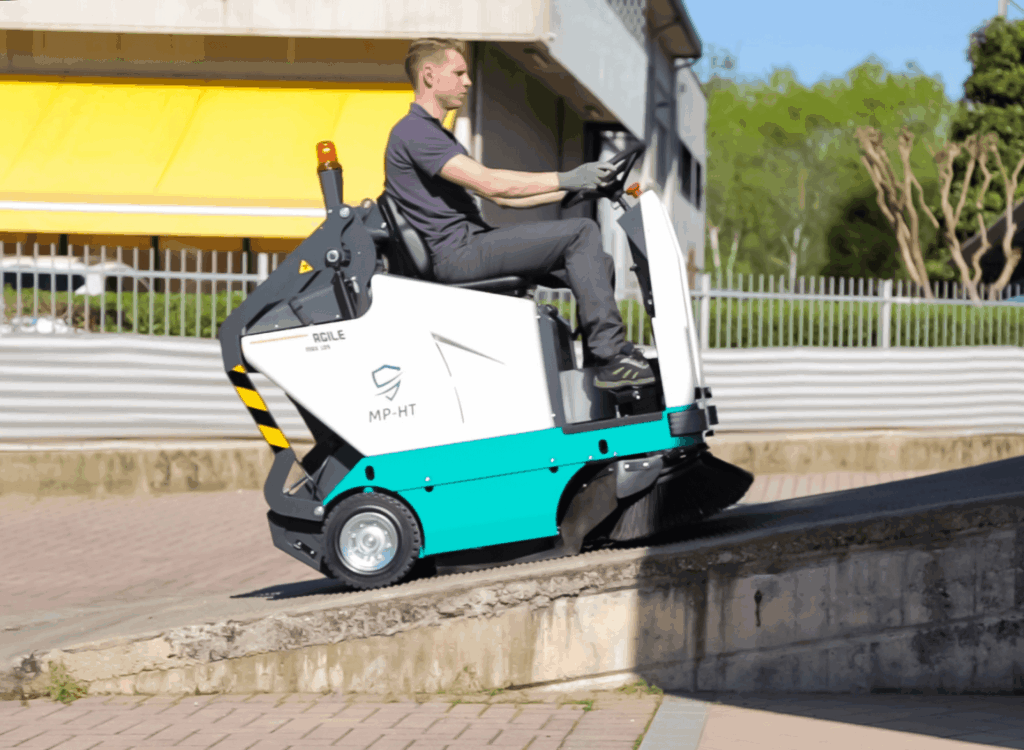
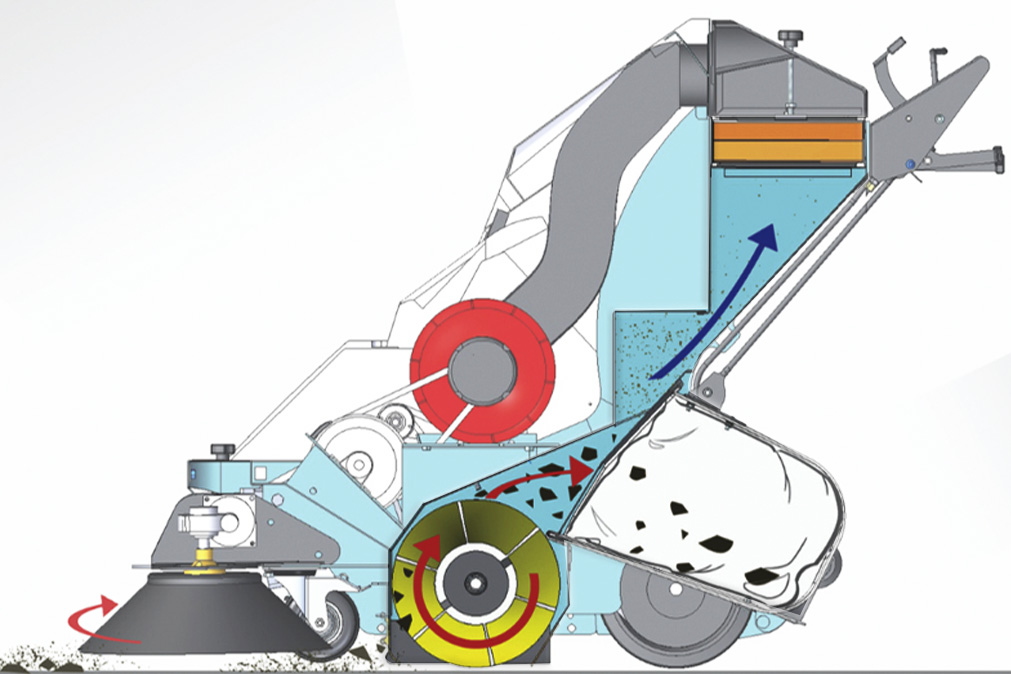
A compact and completely electric machine, designed to enable frequent, rapid, and thorough cleaning of streets and pedestrian areas.
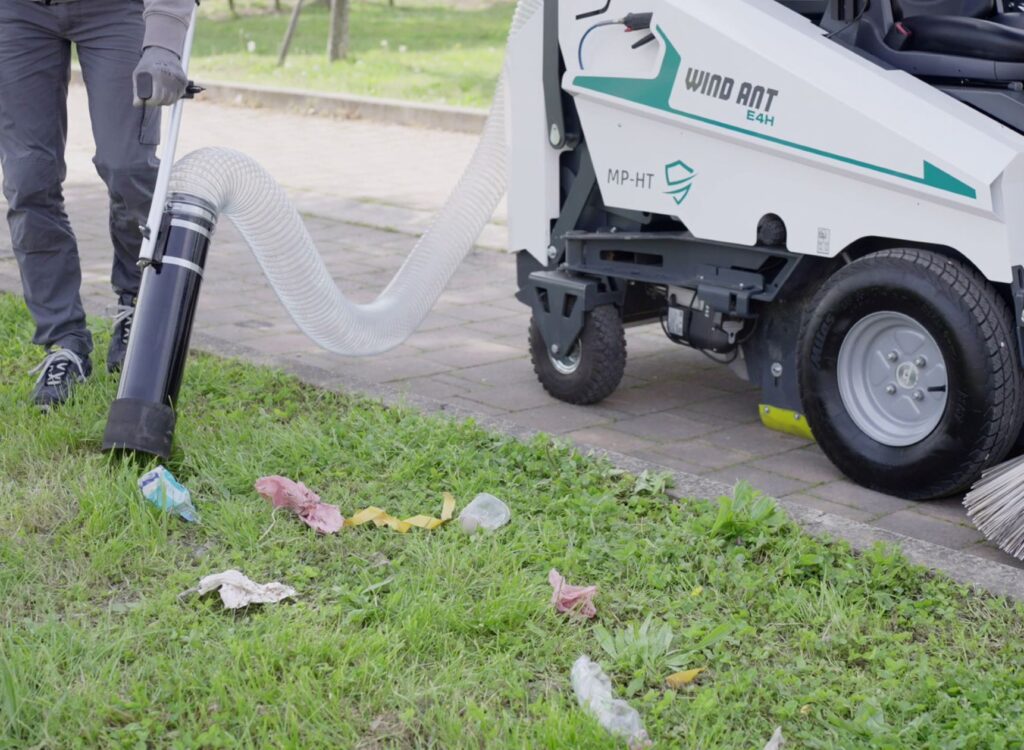
With a sweeping width of 125 cm (with the two side brushes), in addition to ensuring professional mechanical sweeping even in the narrowest alleys, Max Wind allows for effective removal of both bird droppings and weeds along the edges of sidewalks and buildings. This is made possible by the installation of a special side scraper brush.
With a single device, extremely easy to install and use, a dual result is therefore achieved:
- the removal of bird droppings,
- the elimination of weeds.
Furthermore, through a special washing lance, it is also possible to sanitize surfaces and street furniture. In addition, thanks to the “dirt-in-bag” system, all waste is collected directly in a standard disposable bag positioned in the 100L collection drawer, so that the operator can dispose of the collected waste in complete safety without coming into direct contact with it.
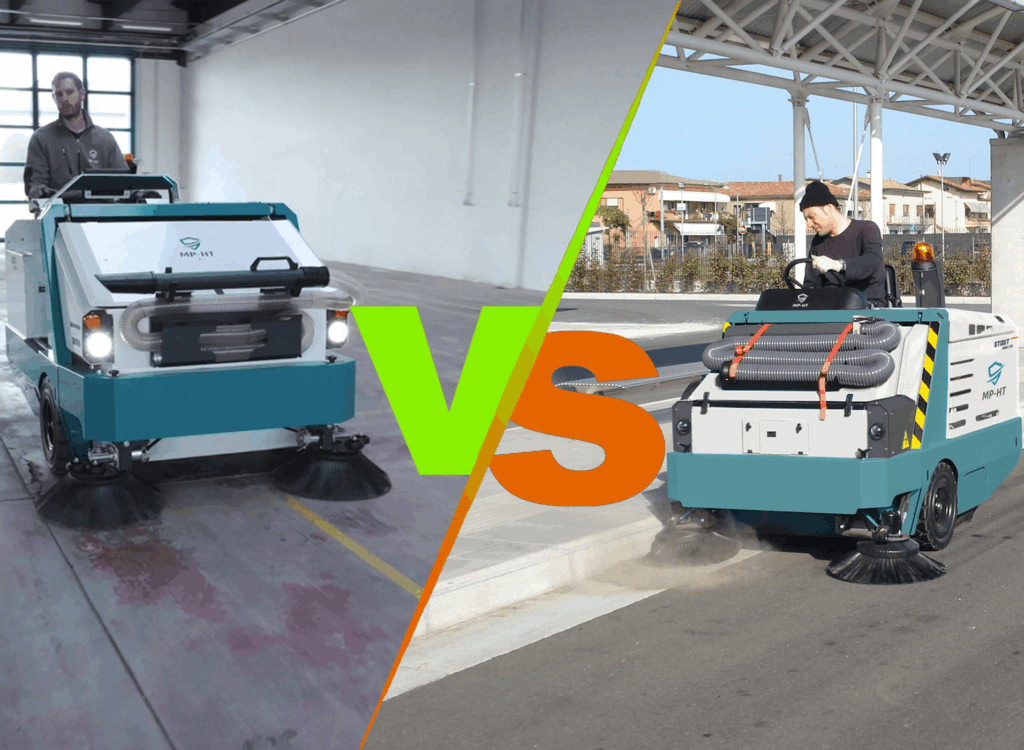
The Max Wind street sweeper is a versatile work tool, designed to support manual sweeping activities and enable municipalities to ensure daily cleaning in a simple and effective manner.
In fact, frequent sweeping and pavement cleaning interventions, combined with actions aimed at deterring pigeons from returning and nesting in city centers, represent a step toward resolving this critical issue.