In recent years, synthetic turf fields have gained increasing popularity over traditional natural grass fields. This trend is due to significant technological advances that have made synthetic turf a highly performant and durable product.
In addition to ensuring excellent playing quality, synthetic turf fields offer numerous advantages in terms of maintenance and resistance to weather conditions. However, to preserve their biomechanical properties and ensure optimal performance, it is crucial to adopt a regular and well-planned maintenance program.
In this article, we will explore in detail the routine and extraordinary operations necessary to maintain a synthetic turf field in excellent condition.
Routine Operations
Routine maintenance of synthetic turf fields is essential to ensure their longevity and best possible performance.
One of the most important operations is regular brushing of the surface.
This activity should be performed with brushes equipped with PPL or nylon bristles, materials that ensure effective cleaning without damaging the synthetic fibers.
The use of brushes with steel bristles is strongly discouraged, as these could scratch or break the grass filaments.
The pressure applied by the brush must be appropriate: not too strong to avoid damaging the field, but sufficient to remove debris.
Brushing the field in cross directions or against the grain is a recommended practice because it effectively collects foreign objects such as leaves, small debris, and other impurities, removing them from the field without compromising the integrity of the fibers.
In addition to brushing, it is important to refresh the field regularly. Although irrigation is not necessary as with natural grass fields, light moistening can help maintain fiber flexibility and reduce dust.
Extraordinary Operations
In addition to routine operations, synthetic turf fields require extraordinary interventions, usually 1 or 2 times per year, depending on usage intensity. These interventions include:
Checking adhesive bond integrity: The joints between different rolls of synthetic turf can loosen with use and weather conditions. It is therefore essential to periodically check the bonding and, if necessary, reinforce the joints to prevent lifting or folding of the turf.
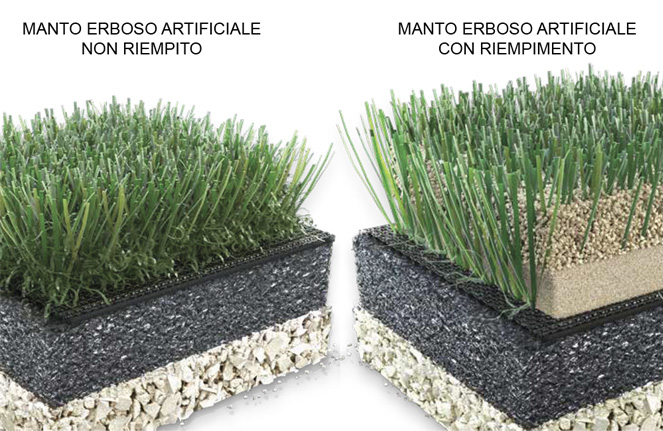
Replenishing rubber granules in infilled fields: The infill material, usually composed of rubber granules, tends to shift or compact over time. Maintaining uniform distribution of this material is vital to ensure proper elasticity and grip of the field. Granule replenishment ensures that the field remains safe and comfortable for players.
Inspection and repair of any damage: Wear, weather conditions, and intensive use can cause damage to the field surface. It is important to regularly inspect the turf and repair any damage before it becomes a major problem.
Cleaning water drainage channels: Even during extraordinary operations, cleaning drainage systems remains a priority to prevent debris accumulation that could obstruct water flow.
The Most Common Problems in Synthetic Turf Fields
Synthetic turf fields, despite their robustness, can present a series of maintenance-related problems. Here are the most common:
– Temperature: High temperatures can negatively affect synthetic fibers, making them more fragile and less elastic. It is important to monitor the field temperature, especially during summer months, and consider using cooling treatments.
– Infill redistribution: Infill tends to shift with use, creating areas with varying amounts of material. Maintaining uniform distribution is essential for field safety and performance. Regular redistribution of infill material is therefore a fundamental activity.
– Cleaning, pest control, and disinfection: Keeping the field clean is essential not only for aesthetic appearance but also for player health. Regular cleaning prevents dirt and debris accumulation, while periodic pest control and disinfection help eliminate bacteria and parasites, keeping the field safe and hygienic.
Using Sweepers for Synthetic Turf Field Cleaning
Using sweepers for synthetic turf field cleaning offers numerous advantages and benefits. These devices are specifically designed to remove debris without damaging synthetic fibers, maintaining the field in the best possible condition.
Professional sweepers ensure effective and rapid cleaning, minimizing field downtime and reducing long-term maintenance costs.
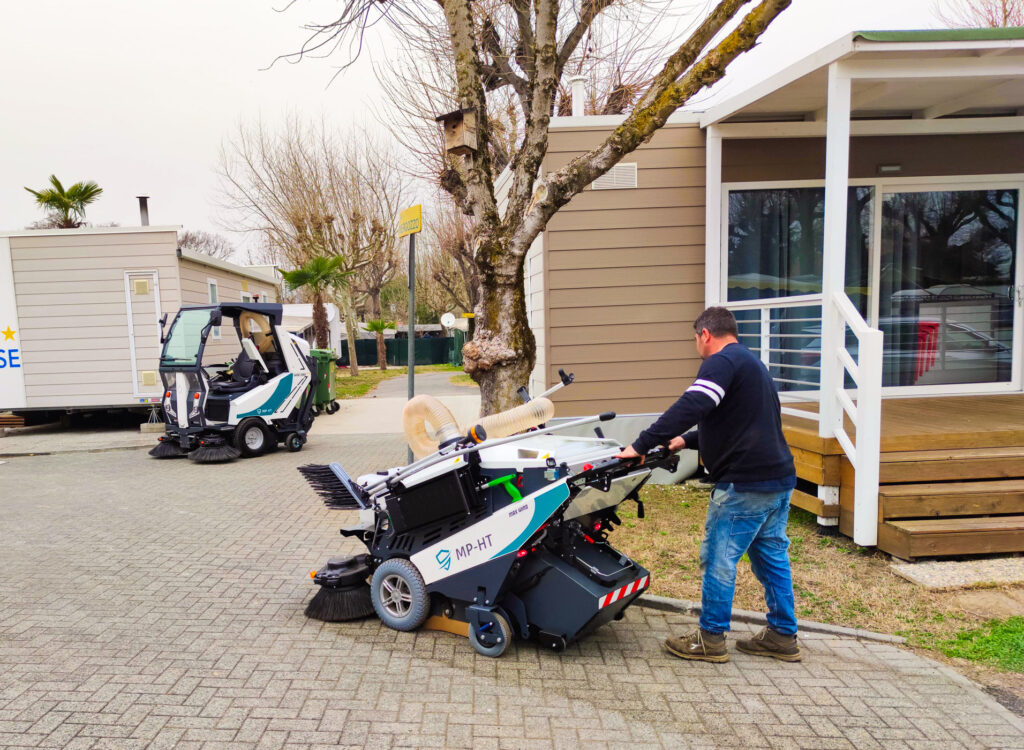
The MP-HT sweepers are designed to be compact and lightweight, facilitating their use and maneuverability.
They can be equipped with non-abrasive bristles, such as PPL and nylon, which ensure gentle yet effective cleaning of synthetic turf fields.
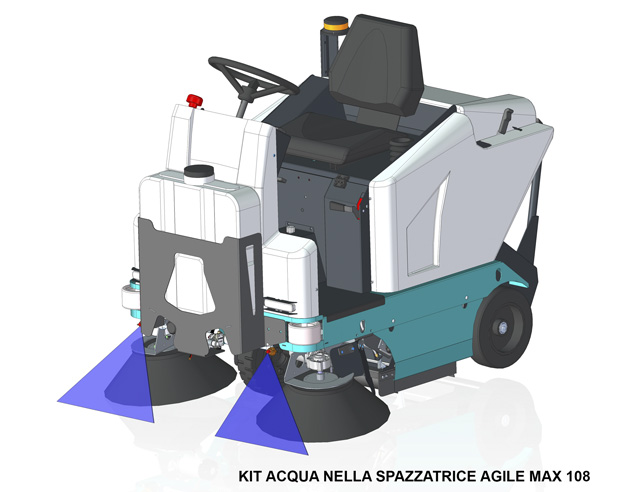
Additionally, these sweepers can be equipped with a water misting system on the side brushes. This system offers a dual advantage: it effectively controls dust during cleaning operations and helps refresh the surface, further improving playing conditions. Thanks to these features, MP-HT sweepers represent an advanced and versatile solution for synthetic turf field maintenance.
AGILE: The Ideal MP-HT Sweeper for Synthetic Turf Field Cleaning
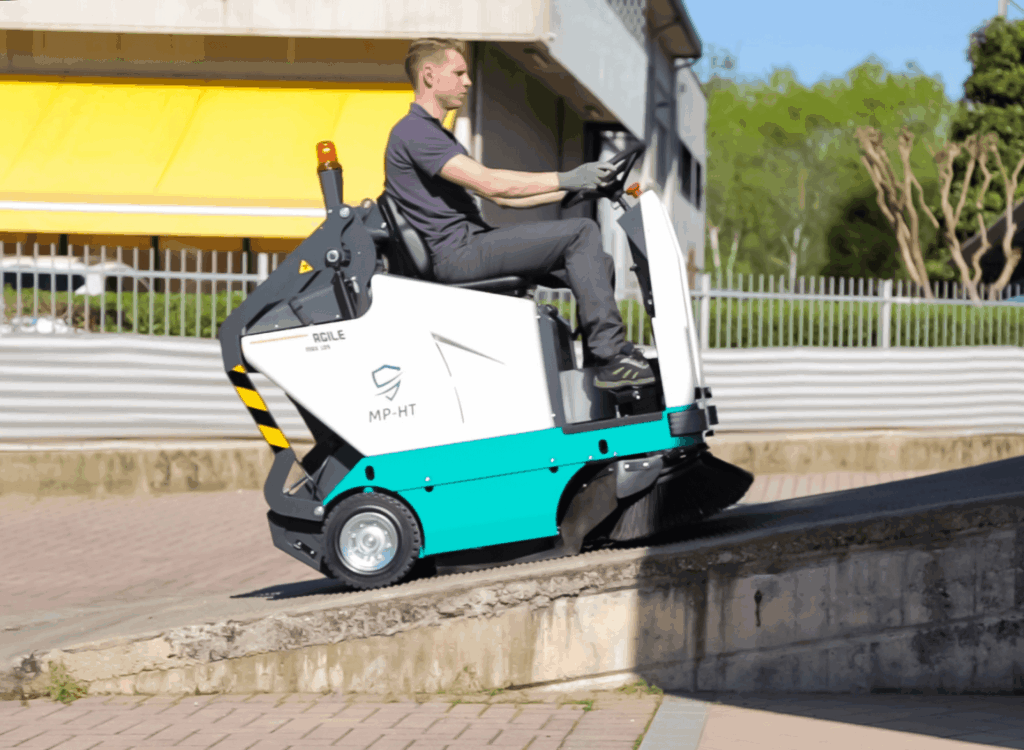
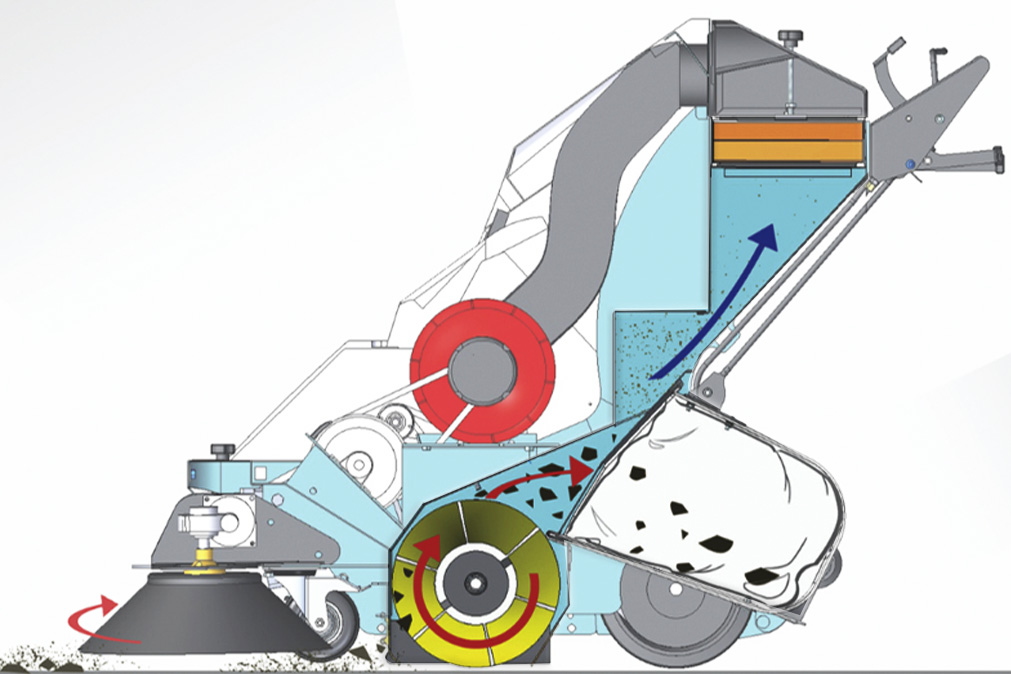
AGILE is a compact and lightweight ride-on sweeper.
Thanks to its single-wheel front-wheel drive, it can turn almost on itself, allowing it to work efficiently on any surface.
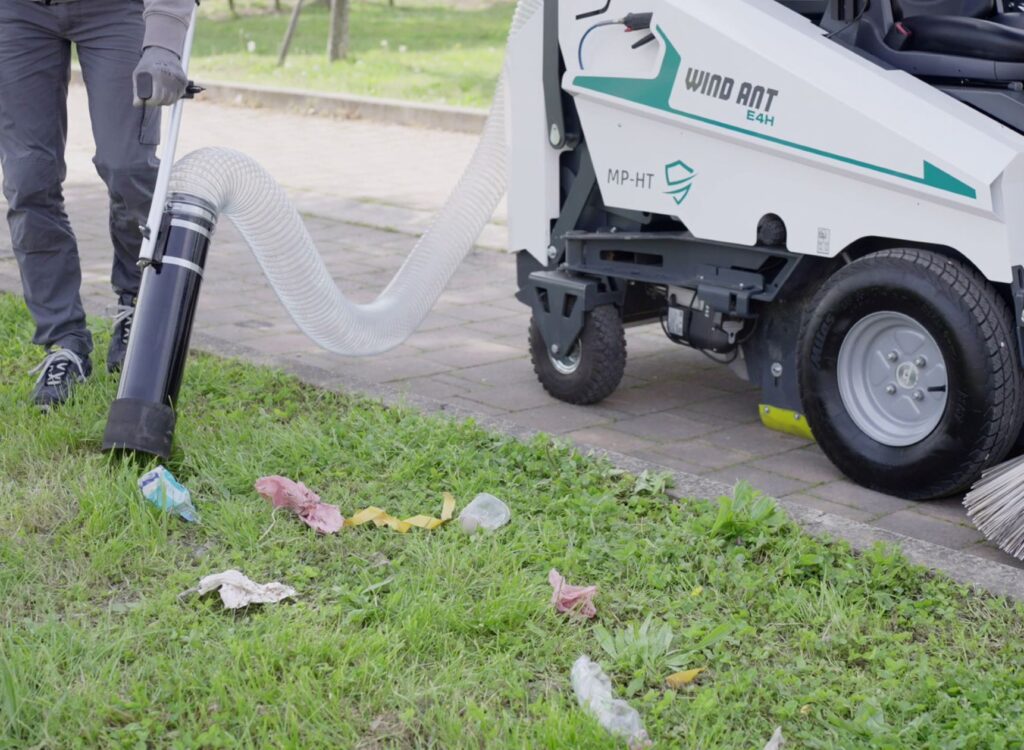
Debris can be collected directly in disposable bags for completely safe operation. The water misting system on the side brushes, in addition to controlling dust during the sweeping phase, simultaneously refreshes the synthetic turf field.
Contact us to learn more about our sweepers and our company.
Here is a testimonial from our German dealer with the AGILE MAX 108 sweeper
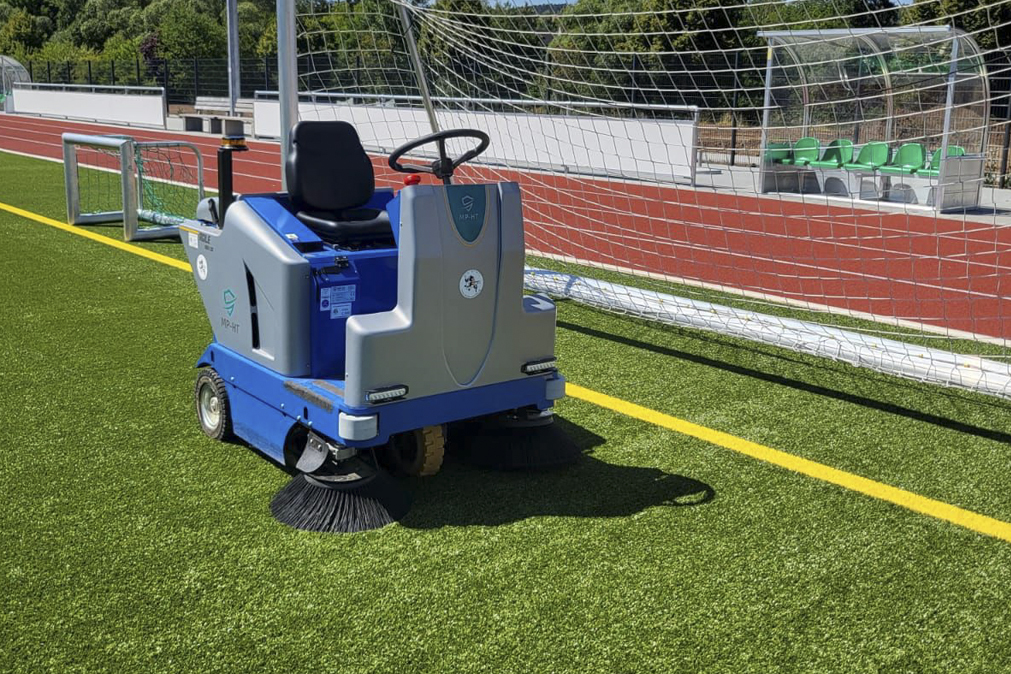
“For cleaning artificial turf surfaces, a powerful mechanical-vacuum sweeper is required.
AGILE MAX 108/K is particularly suitable for this type of operation.
This is thanks to its high performance in both sweeping and vacuuming.
In our K version, the sweeper has been modified for improved cleaning efficiency of artificial turf (K version).
Our experience in cleaning these areas dates back to 2015, and since then, we have continued to make improvements to increase the performance and effectiveness of this sweeper in this particular application.
Key features of the AGILE sweeper:
- ease of use;
- low operating and maintenance costs
Click here to learn more on our German dealer’s website