MP-HT’s Design Solutions for Consistently Efficient Brushes
Aware of the importance of keeping brushes clean and clear, MP-HT‘s technical department has implemented several small design and manufacturing solutions in its sweepers to facilitate inspection on one hand and to simplify and reduce maintenance requirements on the other.
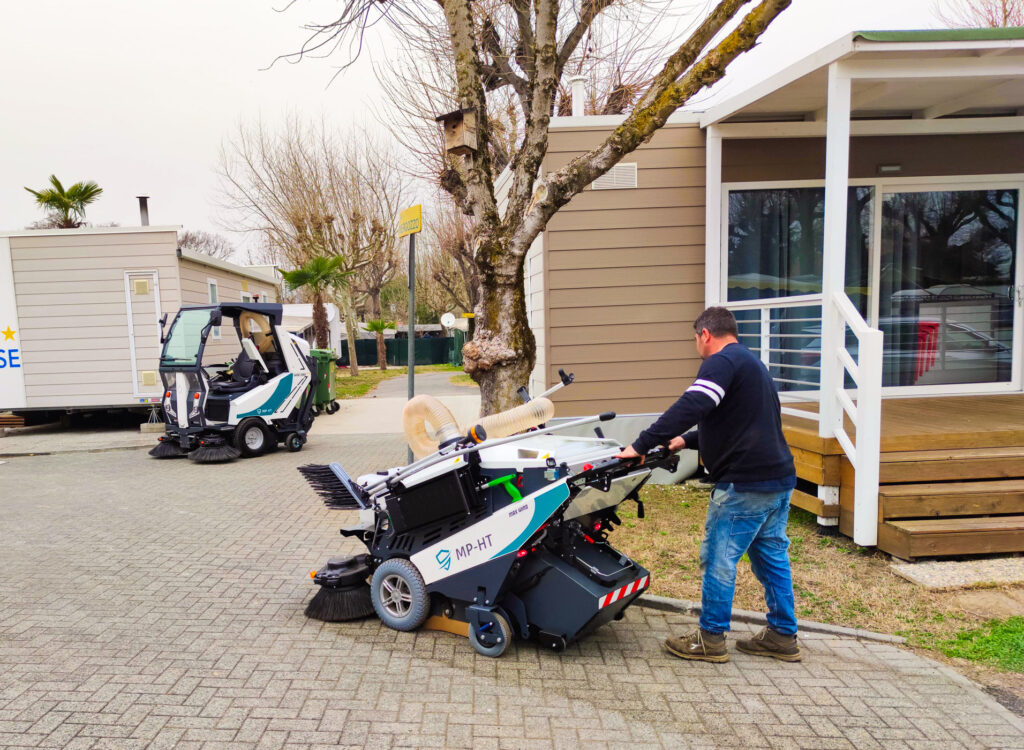
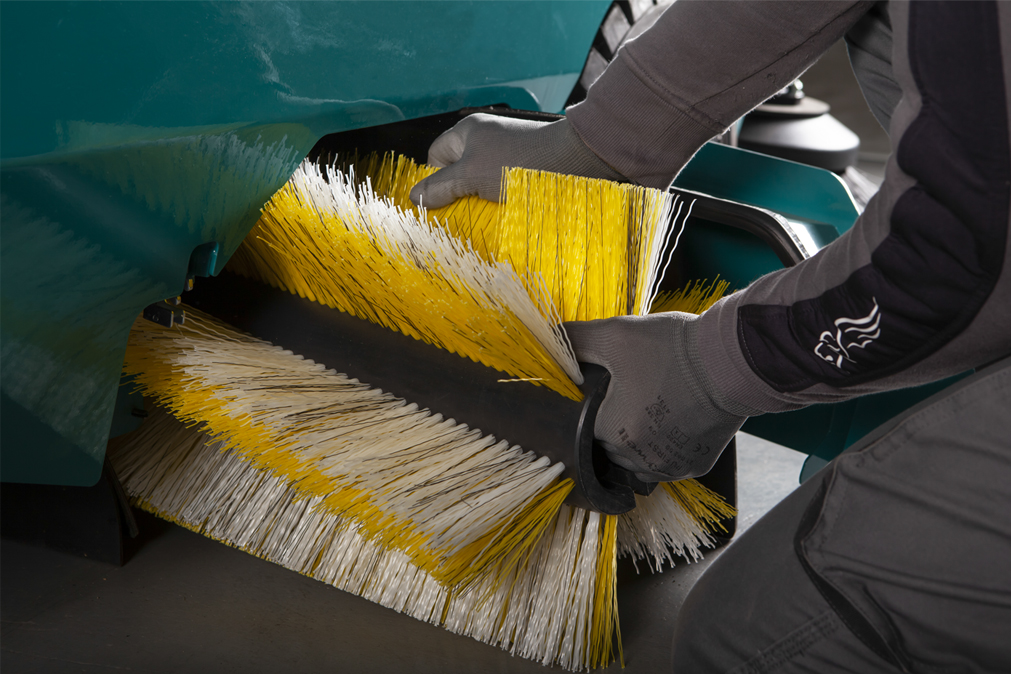
MP-HT sweepers have a structural design that allows inspection of the machine’s main components, including the brushes, with extreme ease: simply remove or raise the waste container and in an instant the operator can check for any trapped material and the condition of the main brush.
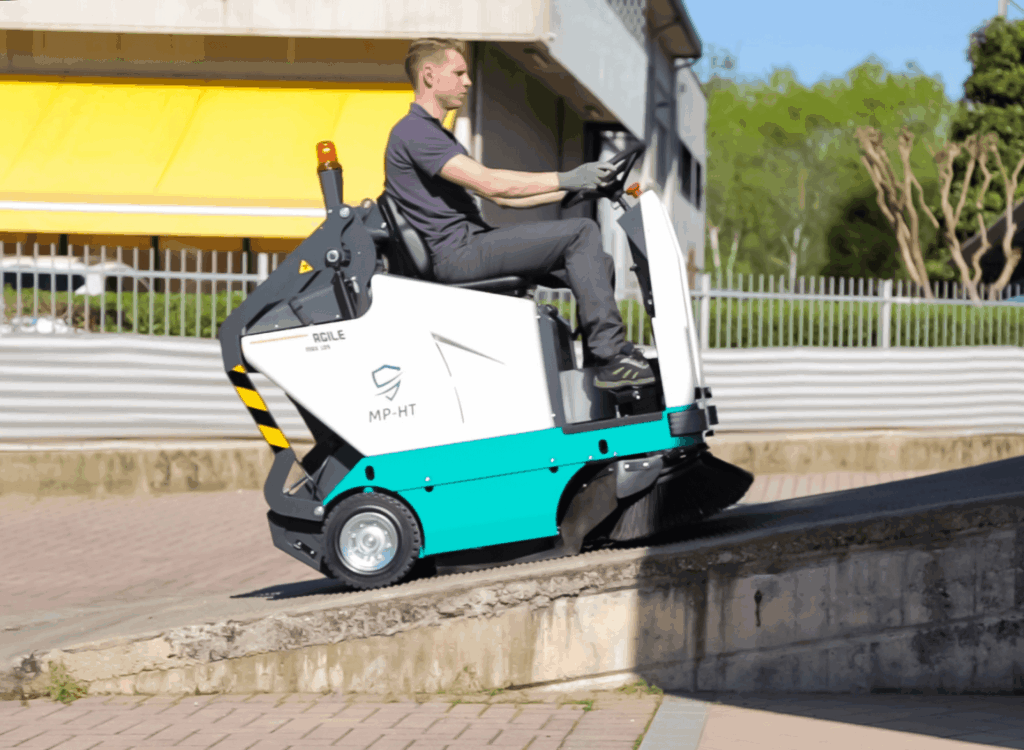
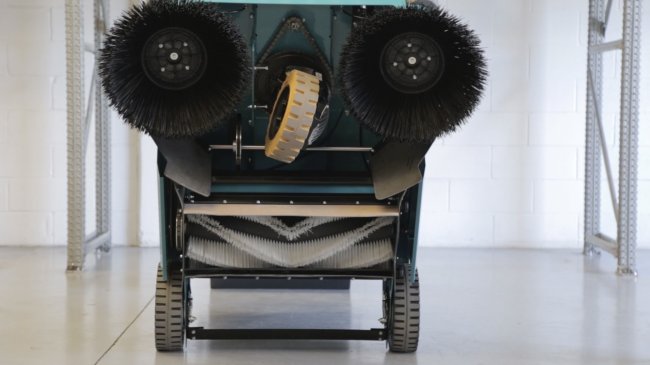
Another feature, standard on some models such as the WIND ZERO and optional on others such as the ride-on AGILE or the walk-behind HANDY, is the side brush with electric gearmotor, without belts. In addition to better withstanding the impacts caused by work, the main advantage of electric brushes is lower maintenance requirements, a substantial reduction in time required for any repairs compared to belt-driven brushes, and therefore a reduction in costs.
For over thirty years we have been manufacturing industrial sweepers and urban sweepers capable of making cleaning not an obstacle to overcome (that hinders work) but a practice that adds value to your work, helping to save time and money.
Discover all the advantages of MP-HT sweepers, and how they will help you transform the cleaning task from a costly nuisance to added value for your company.
Sweeping the floor is a cleaning operation that all of us have done. Regardless of whether the activity is manual or mechanical, the type and quality of the brush, whether installed in a professional sweeper or that of a simple broom, fundamentally affects the effectiveness and sweeping results that can be achieved.
Sweeper Brushes: Functionality
Side and main brushes are fundamental parts of the sweeper.
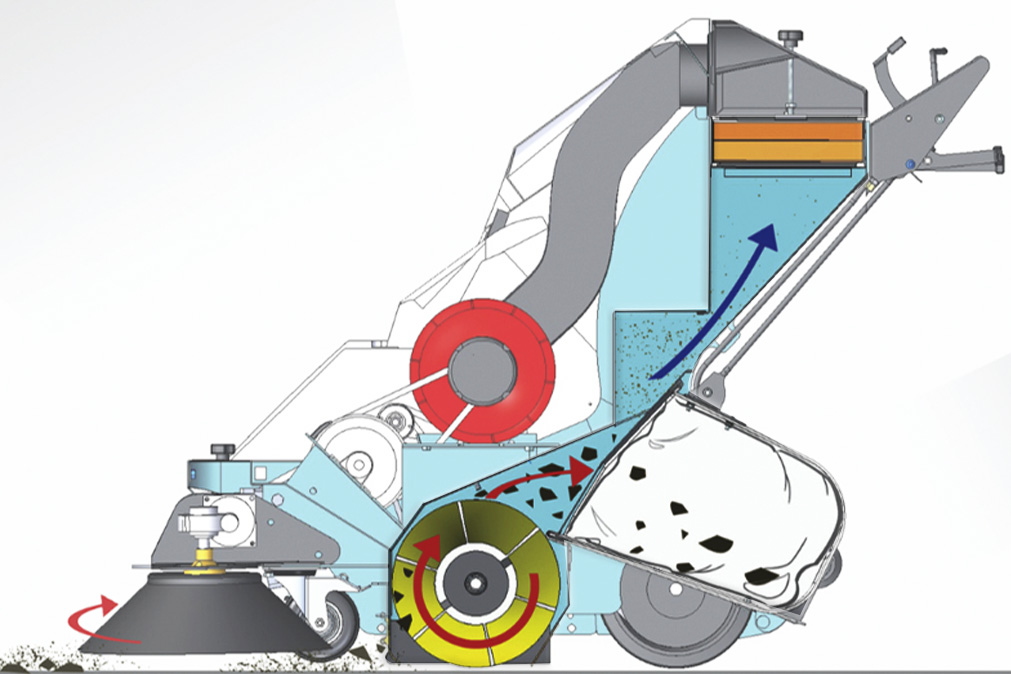
The sweeping system consists of one or more side brushes, which direct the dirt toward the center, that is, toward the cylindrical main brush, which has the task of loading the dirt into the waste hopper.
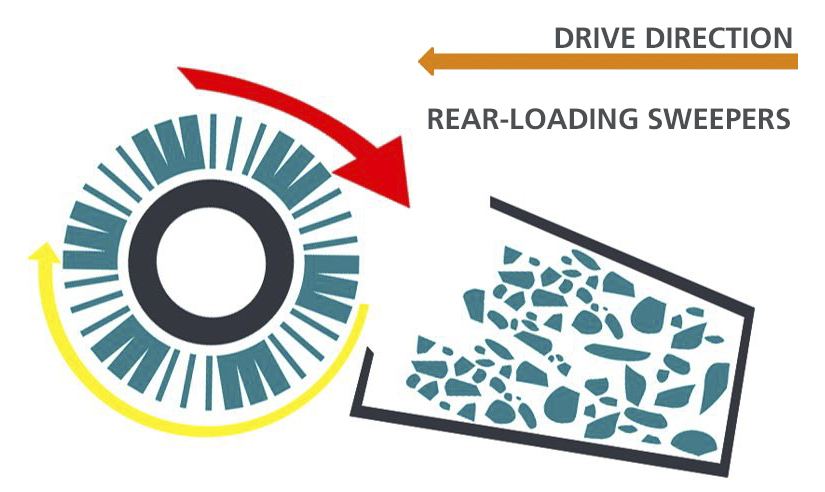
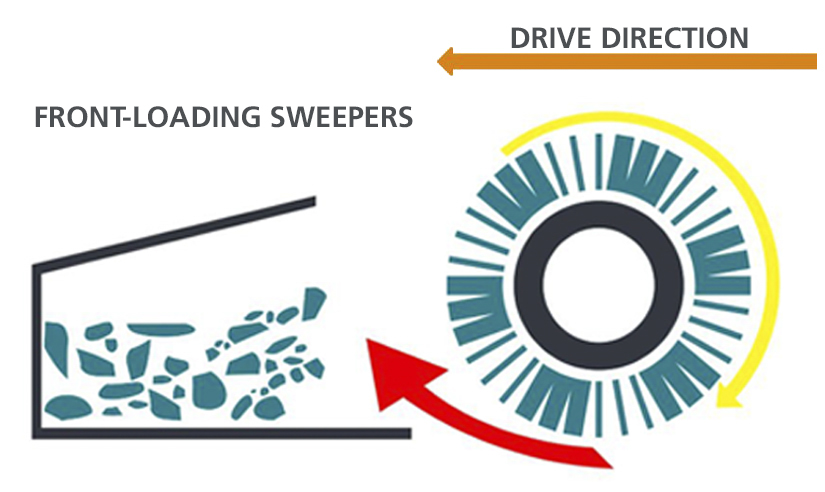
In front-loading sweepers, the main brush moves the dirt forward, while in rear-loading sweepers it “throws” it backward toward the container located on the rear of the machine.
Knowing and being able to choose the most suitable brush type for the type of dirt and surface to be cleaned significantly affects the machine’s cleaning performance, just as proper maintenance ensures effective work over time.