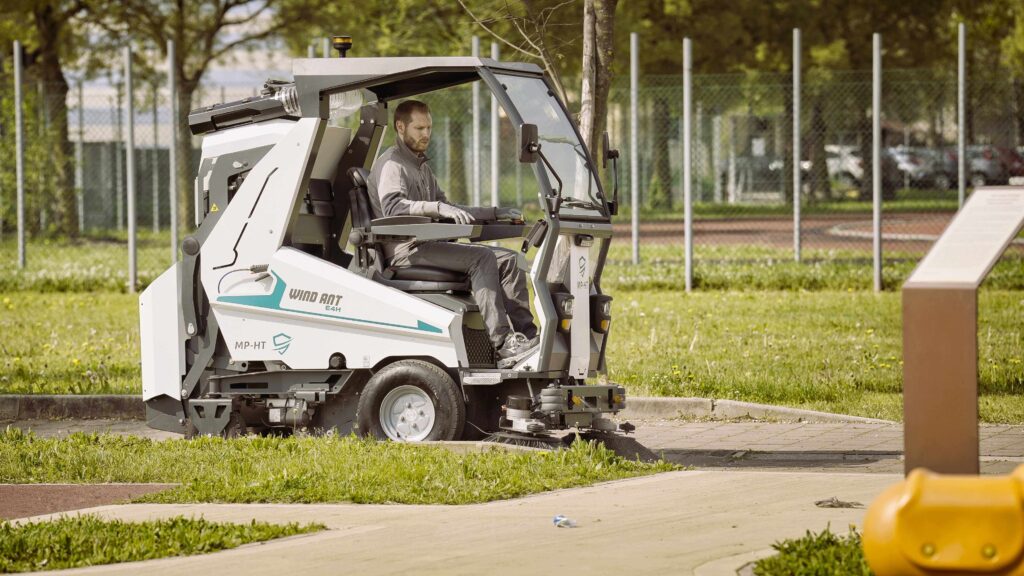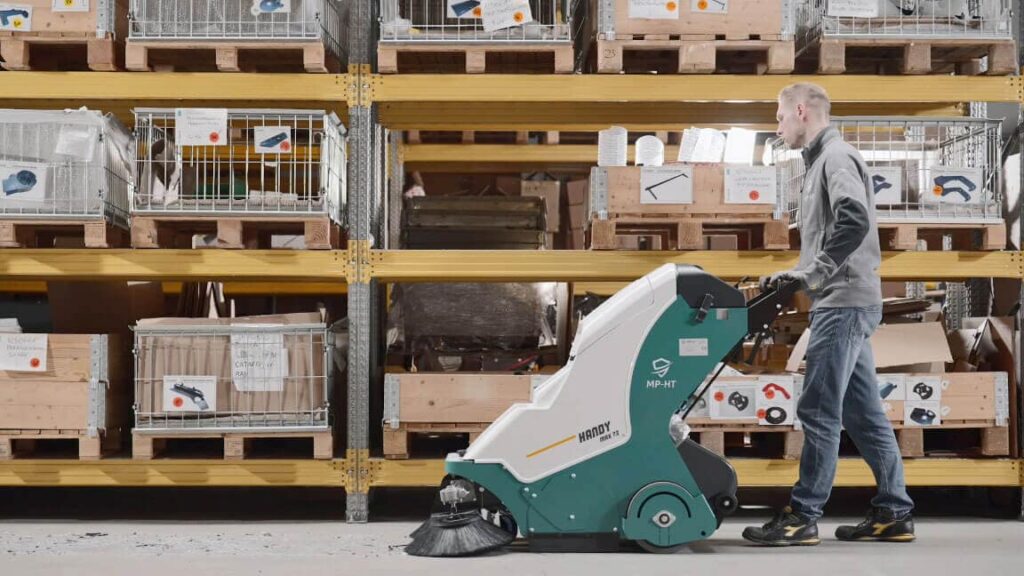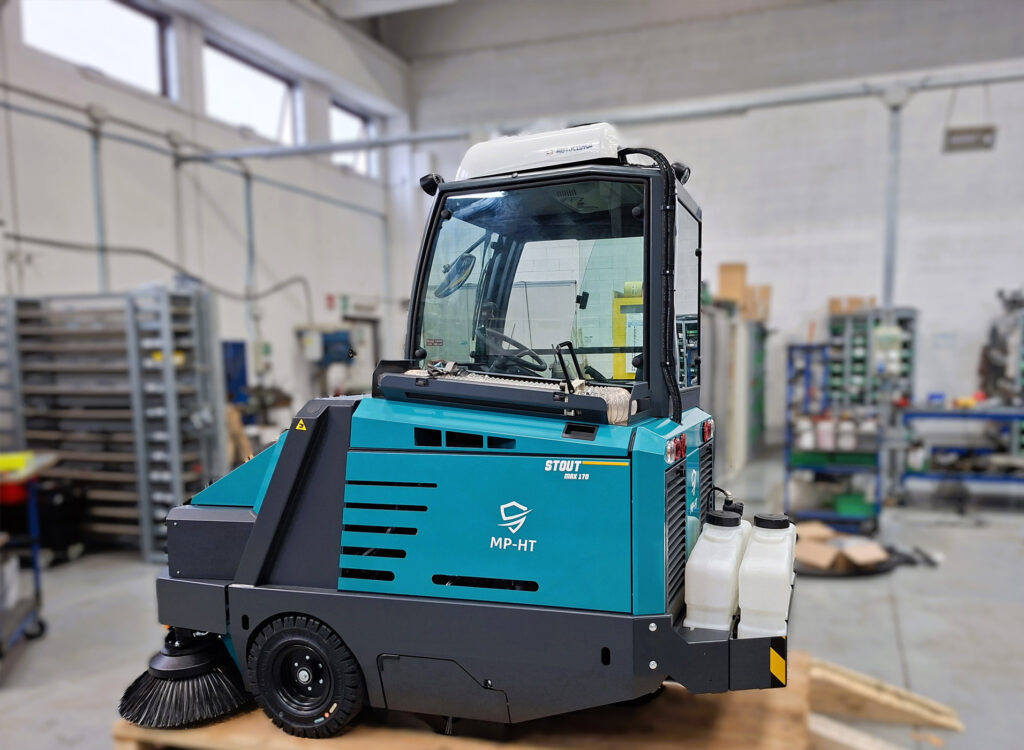
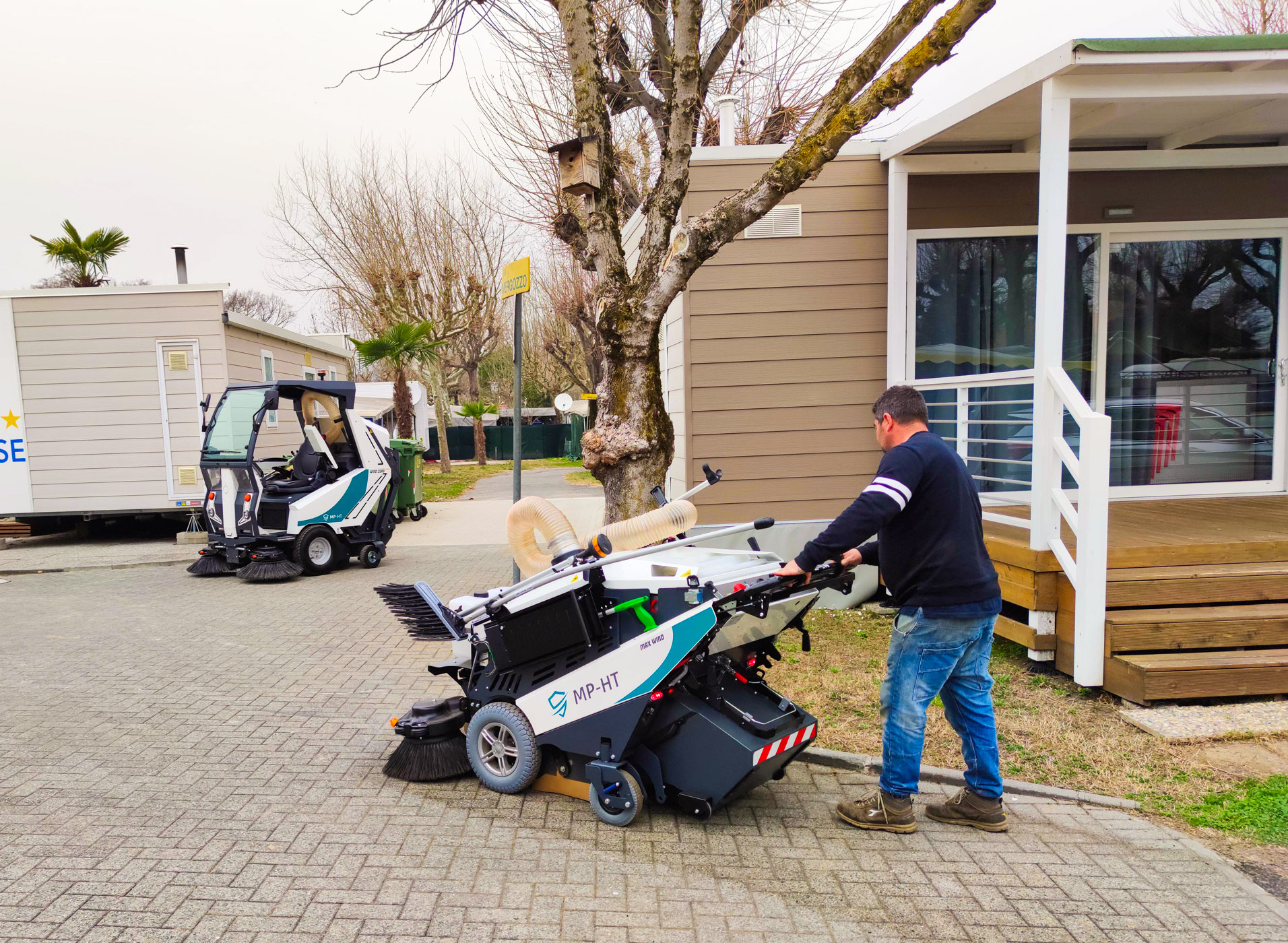
With spring approaching, the most important phase of the year begins for many campsites: preparing for reopening.
After months of closure or reduced activity, outdoor spaces and common areas require a complete restoration: leaves, dust, sand, mud, and waste accumulate easily and, if neglected, risk compromising not only the aesthetics of the campsite, but also the safety and experience of the guests.
Cleaning a campsite is not just a maintenance activity: it is a strategic element.
A tidy and well-kept environment immediately conveys quality, professionalism, and safety, directly influencing customer perception… and even reviews.
From initial restoration to daily maintenance: the main challenges to manage
The season start-up phase is the ideal time to carry out a deep and thorough cleaning.
The goal is to return the campsite to optimal conditions before the arrival of the first guests, intervening in a targeted manner on all outdoor and common areas, including:
- walkways and pedestrian paths
- pitches and green areas
- parking lots and maneuvering areas
- common areas (reception, market, bar, restaurant)
- sports and recreational areas
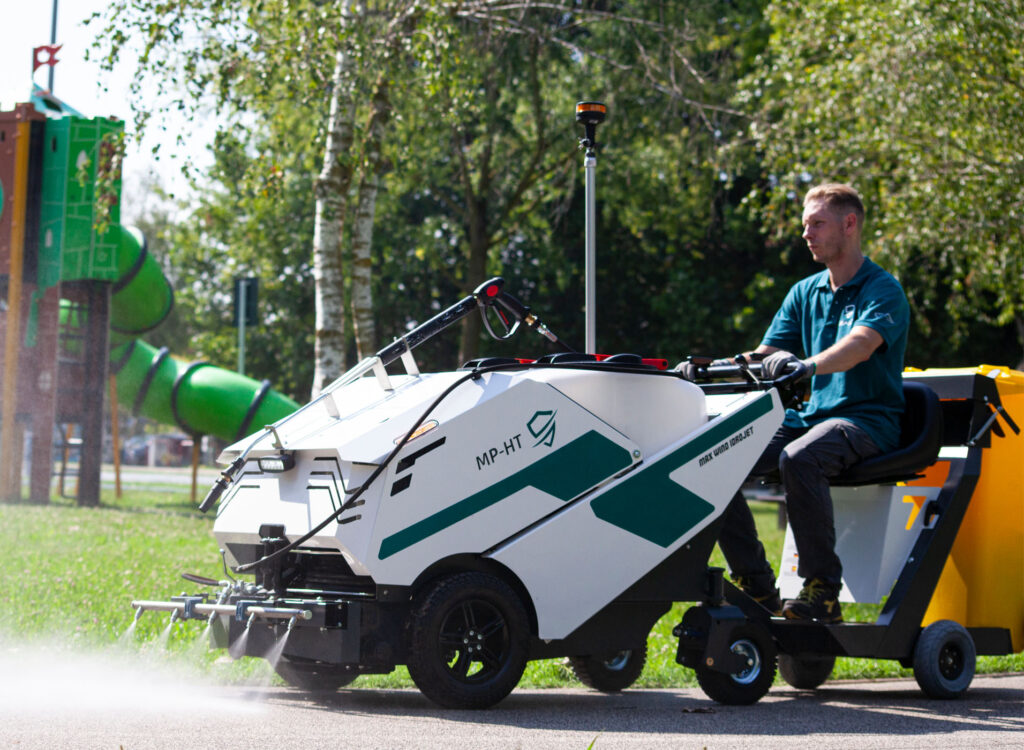
- pool area and solarium
- toilet blocks and outdoor showers
After winter, it is normal to find significant accumulations of dust, leaves, sand, and “heavy” dirt spread over large surfaces.
In this phase, it is essential to be able to rely on appropriate tools and machines capable of working effectively and quickly, reducing intervention times and operational effort.
Once reopened, however, the campsite becomes a lively and busy environment: guests, children, vehicles, pets, events, and daily activities make cleaning a constant job rather than a single extraordinary intervention. For this reason, in addition to the initial restoration, it is essential to have practical and reliable equipment capable of ensuring order and decorum throughout the season without slowing down activities.
The cleaning must be frequent, fast, and discreet: work is often carried out early in the morning, in the presence of people, or in areas where maximum attention is required, also in terms of quietness and safety.
What characteristics should an ideal machine for cleaning campsites have?
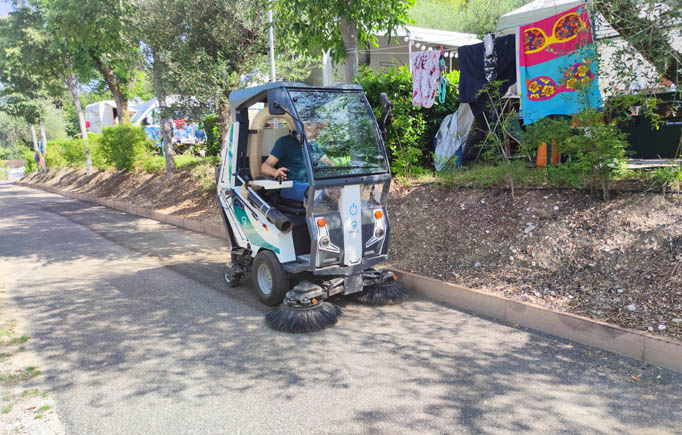
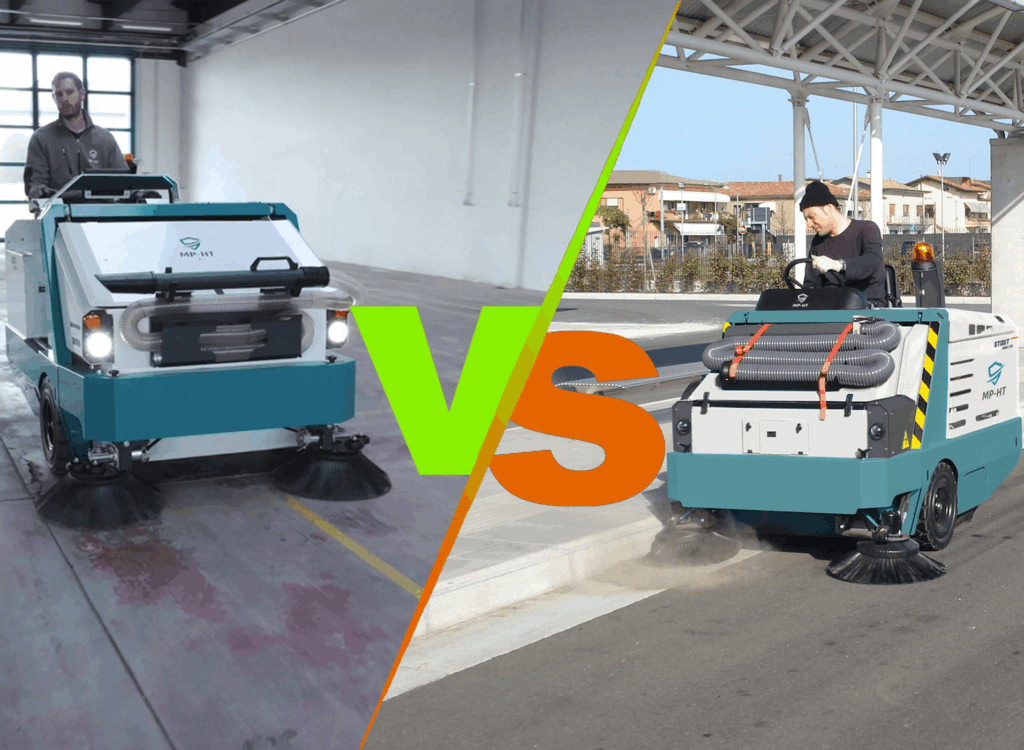
To ensure effective cleaning of a campsite’s outdoor spaces, machines designed with specific requirements are needed.
The most suitable sweepers are:
Compact and maneuverable
Campsites are characterized by narrow spaces, walkways, curves, passages between bungalows, pitches, and wooded areas. A compact machine allows you to work anywhere without difficulty.
High-performance with powerful traction
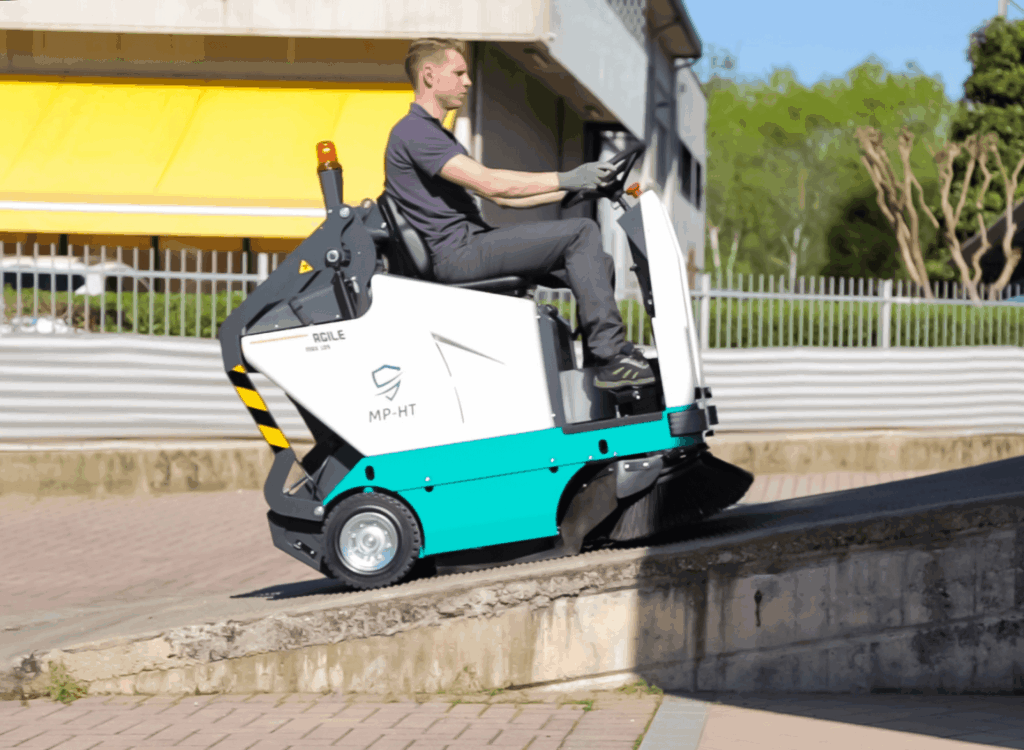
Campsites are often developed on terrain that is not perfectly flat, with slopes, dirt tracks, and irregular paving. Reliable traction is needed to tackle even challenging situations.
Effective in debris collection
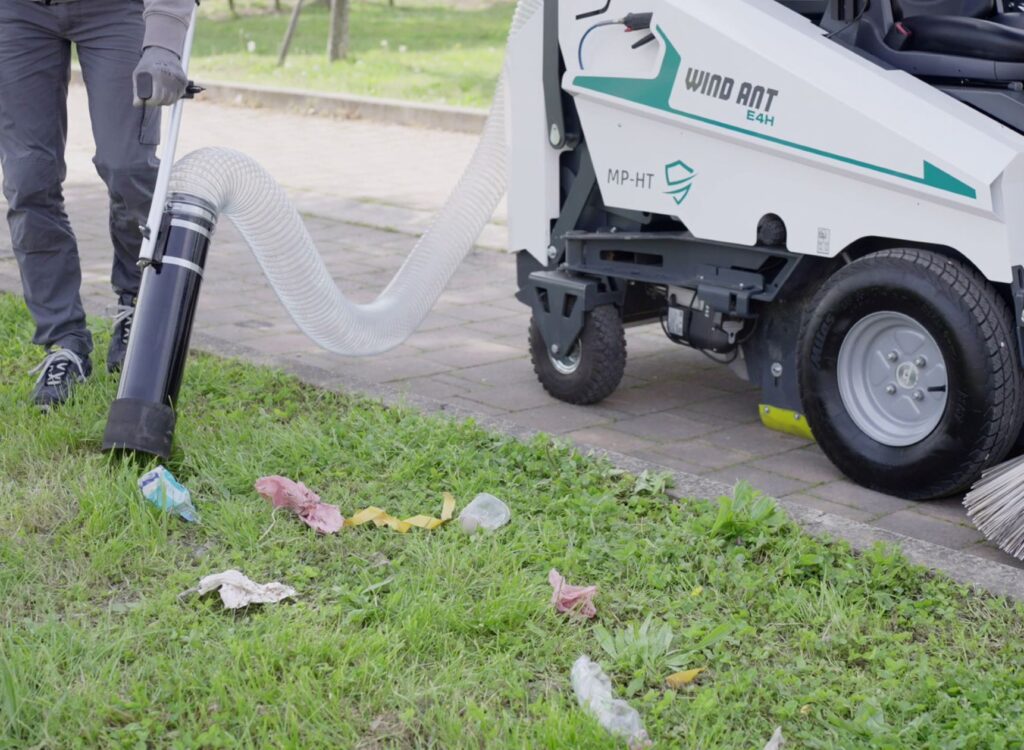
Wet leaves, soil, pine needles, and small waste require an effective collection system capable of ensuring an immediate and visible result.
Quiet and electric
Cleaning takes place while the campsite is operational: early in the morning or during the day, with guests present. Electric machines are quiet and allow you to work without disturbance and without emissions.
Safe for guests and operators In a campsite, the machine works near people, children, and animals. Safety is fundamental both for those nearby and for the operator using the vehicle.
Easy to maintain and inspect During high season, machine downtime is a major problem. Easily accessible and replaceable components mean fast maintenance and operational continuity.